


Video Demos
Learn more about
each feature.
each feature.
Explore our user-friendly but robust facility maintenance software. See how Maintenance Care can make your workday easier with real-life, facility manager-approved features.
Maintenance Care specializes in providing an easy to use Computerized Maintenance Management Software (CMMS) for a wide range of industries.
Lorem ipsum dolor sit amet, consectetur adipiscing elit, sed do eiusmod tempor incididunt ut labore et dolore magna aliqua. Ut enim ad minim veniam, quis nostrud exercitation ullamco laboris nis.
Plan, schedule and track recurring maintenance tasks with easy-to-use preventive maintenance software.
Maintenance Care helps your team stay ahead of
equipment maintenance, reduce unexpected downtime
and keep preventive maintenance schedules organized
from any device.
Preventive maintenance helps your team stay ahead of equipment problems by scheduling routine inspections, service and maintenance before unexpected failures occur. With Maintenance Care, recurring maintenance tasks can be scheduled, assigned and tracked in one central system, helping your team reduce reactive work and keep critical equipment operating reliably.
Use preventive maintenance software to organize recurring schedules, assign tasks to technicians, maintain service records and track upcoming maintenance across your facility. By planning maintenance in advance, your team can reduce unplanned downtime, extend equipment life and make better decisions about repairs and replacements.


Plan and schedule preventive maintenance tasks in advance with Maintenance Care’s built-in maintenance calendar. Create recurring maintenance schedules, set task frequencies and due dates, assign work to technicians and make changes as your maintenance needs evolve.
Whether a task needs to be completed daily, weekly, monthly, quarterly or on another schedule, your team can see what’s coming up and plan workloads before maintenance is due. This helps reduce missed tasks, improve organization and keep routine equipment maintenance on schedule.
Keep required inspections, safety checks and routine maintenance organized with scheduled preventive maintenance tasks. Maintenance Care helps your team plan recurring compliance-related work, assign responsibilities and maintain records of completed maintenance in one central system.
Schedule inspections and maintenance at the required frequency, attach important documents and track completed tasks to help your facility stay prepared for audits and regulatory reviews.
Assign scheduled preventive maintenance tasks to the appropriate technicians and make responsibilities clear across your maintenance team. Maintenance Care helps managers organize upcoming work, assign tasks and keep technicians informed about the maintenance they need to complete.
As schedules or priorities change, assignments can be updated so your team stays organized and planned maintenance continues to move forward.
Keep important maintenance information connected to the tasks where your technicians need it. Maintenance Care lets you attach documents and files directly to preventive maintenance tasks, giving your team easy access to instructions, inspection forms, safety information and other supporting materials.
Attach manuals, PDFs, checklists, images and other maintenance documents so technicians have the information they need when completing scheduled work.

Preventive maintenance helps reduce the cost of unexpected repairs by identifying and addressing maintenance needs before they become larger problems. Maintenance Care helps your team schedule routine service, track recurring maintenance and stay ahead of equipment issues that can lead to downtime.
By planning maintenance in advance and keeping equipment service history organized, your team can reduce emergency repairs, extend asset life and make better decisions about maintenance spending and equipment replacement.
Use maintenance data to understand what’s happening across your facility and make better decisions about equipment and maintenance priorities. Maintenance Care helps you review preventive maintenance activity, completed tasks and maintenance history from one central system.
Identify recurring maintenance issues, review equipment performance and use historical maintenance data to help plan future work, manage costs and make more informed repair or replacement decisions.
Keep preventive maintenance schedules, tasks and maintenance records organized in one easy-to-use system. Maintenance Care gives managers a clear view of upcoming maintenance while helping technicians understand what work needs to be completed and when.
By bringing preventive maintenance and work order management together, your team can coordinate scheduled and reactive maintenance, improve communication and keep facility maintenance running smoothly.
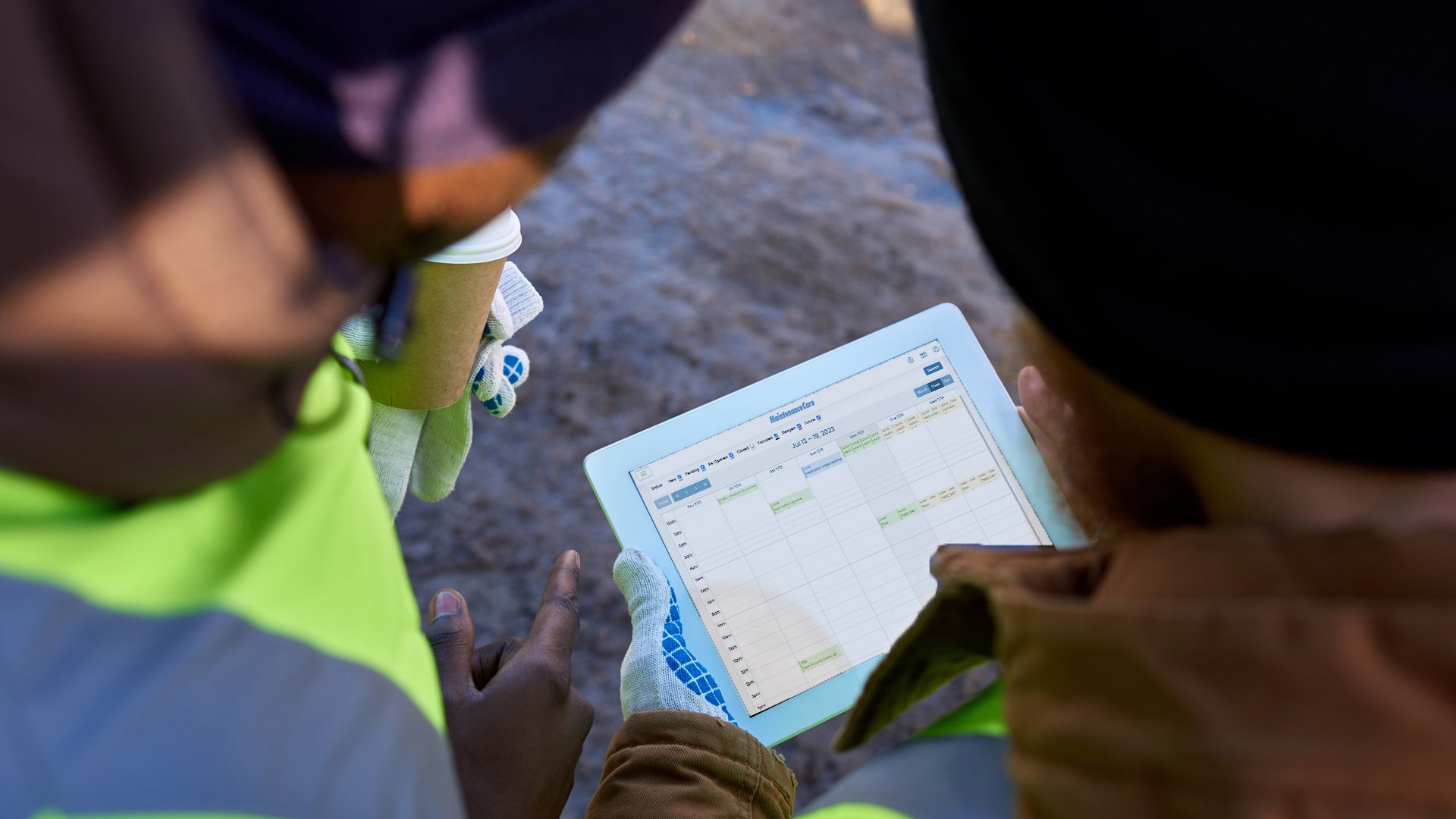
See what preventive maintenance is coming up so your team can plan ahead and stay on schedule. Maintenance Care gives technicians and managers a clear view of upcoming tasks, helping everyone understand what maintenance needs to be completed and when.
Review scheduled maintenance by date and quickly identify upcoming or overdue tasks, making it easier to prioritize work, coordinate technician workloads and prevent important maintenance from being missed.
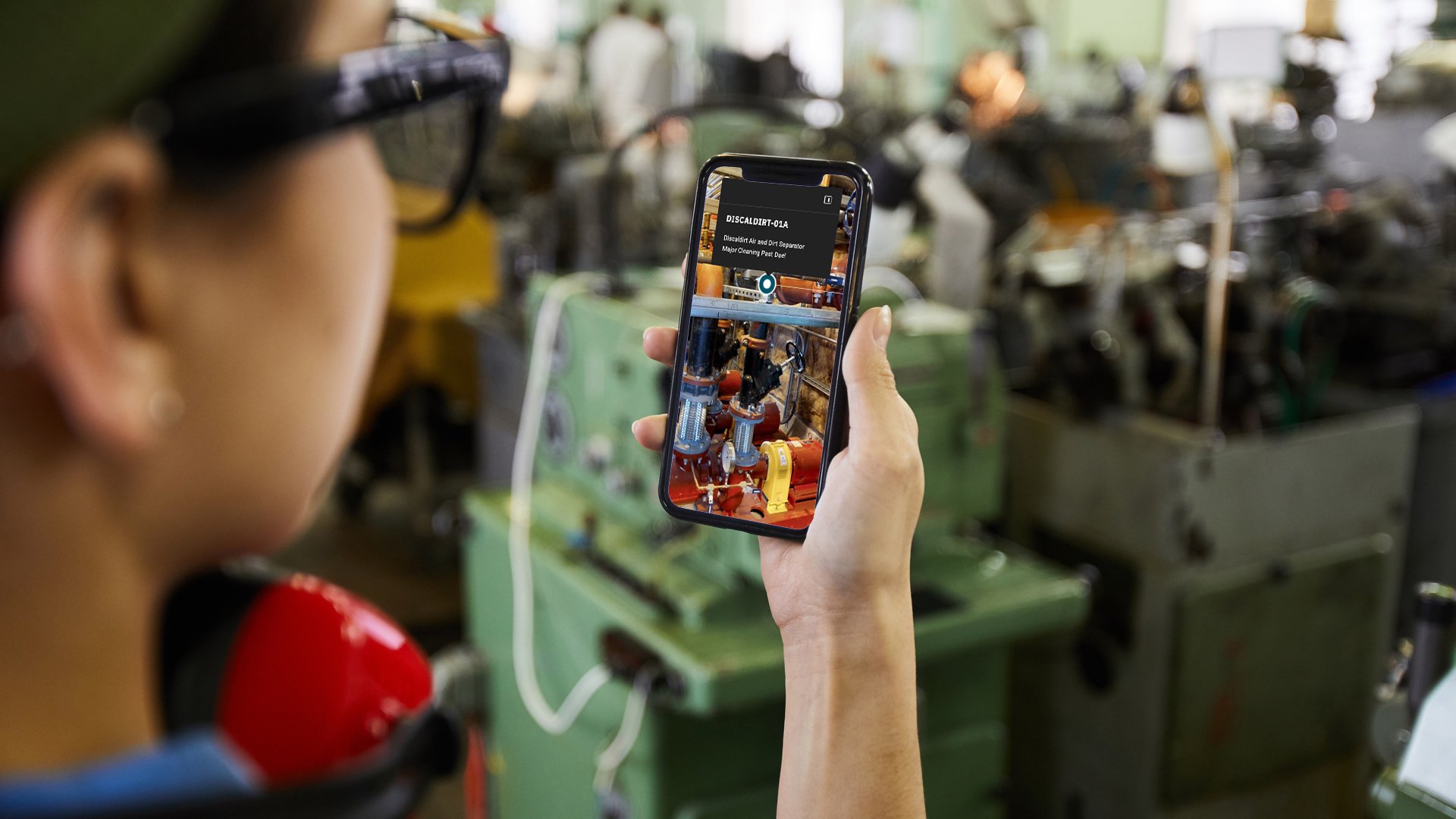
Stay ahead of equipment problems by completing routine maintenance before small issues lead to unexpected failures. Maintenance Care helps your team schedule recurring inspections and service so critical equipment receives attention at the right time.
A consistent preventive maintenance program can help reduce unplanned downtime, extend equipment life and keep facility operations running smoothly while reducing the disruption caused by emergency repairs.
Preventive maintenance software helps maintenance teams plan, schedule, assign and track routine maintenance before equipment problems lead to unexpected breakdowns. Instead of relying on spreadsheets, paper calendars or manual reminders, maintenance teams can organize recurring inspections, service and preventive maintenance tasks in one central system.
Maintenance Care allows teams to create preventive maintenance schedules, assign tasks to technicians, track completion history and maintain records for equipment and facilities. This helps organizations stay ahead of routine maintenance, reduce unplanned downtime and keep important maintenance work from being missed.
There are several types of preventive maintenance that organizations can use depending on their equipment, facilities and maintenance requirements. The most common approaches include time-based, usage-based, condition-based and predictive maintenance.
Time-Based Maintenance: Maintenance is performed on a recurring schedule, such as daily, weekly, monthly, quarterly or annually.
Usage-Based Maintenance: Maintenance is triggered after equipment reaches a specific level of use, such as operating hours, mileage or production cycles.
Condition-Based Maintenance: Equipment is monitored for signs that maintenance is needed, such as changes in temperature, vibration, pressure or other operating conditions.
Predictive Maintenance: Equipment data and monitoring are used to help identify potential problems and determine when maintenance may be required before a failure occurs.
Maintenance Care helps teams organize and track preventive maintenance activities so scheduled work can be planned, assigned and documented in one central system.
An effective preventive maintenance program typically includes seven key elements that help maintenance teams plan work, maintain equipment and keep accurate maintenance records.
1. Equipment & Asset Information: Maintain accurate records of the equipment and assets that require preventive maintenance.
2. Maintenance Tasks: Define the inspections, servicing and other maintenance activities that need to be performed.
3. Maintenance Schedules: Determine when each task should occur based on time, usage or other maintenance requirements.
4. Technician Assignments: Assign preventive maintenance tasks to the appropriate maintenance team members.
5. Procedures & Documentation: Provide technicians with checklists, manuals, instructions and other information needed to complete maintenance correctly.
6. Maintenance History: Record completed work so your team can review previous maintenance and equipment service history.
7. Performance & Follow-Up: Review maintenance activity, overdue tasks and equipment history to identify problems and improve your preventive maintenance program over time.
Maintenance Care brings these elements together in one CMMS, helping maintenance teams schedule, assign, document and track preventive maintenance across their facilities.
Creating a preventive maintenance schedule starts with identifying the equipment and facility systems that require routine maintenance, then determining what work needs to be performed and how often it should occur.
1. Identify Equipment & Assets: Create a list of equipment, building systems and other assets that require regular maintenance.
2. Define Maintenance Tasks: Determine the inspections, servicing, cleaning, testing or other maintenance each asset requires.
3. Set Maintenance Frequencies: Establish how often each task should occur based on manufacturer recommendations, regulatory requirements, equipment usage and maintenance history.
4. Assign Responsibilities: Determine which technicians or maintenance team members are responsible for completing each task.
5. Schedule Recurring Maintenance: Add tasks to a preventive maintenance calendar so they automatically recur at the appropriate intervals.
6. Track Completed Maintenance: Record completed tasks and maintenance history so your team can verify work and review previous service.
7. Review & Adjust the Schedule: Use maintenance history and equipment performance to refine frequencies and improve your preventive maintenance program over time.
Maintenance Care helps automate this process by keeping preventive maintenance schedules, recurring tasks, technician assignments and maintenance history together in one system.
Preventive maintenance can improve facility safety by helping maintenance teams identify and correct equipment problems before they create unsafe conditions. Regular inspections, testing and scheduled maintenance can uncover worn components, leaks, electrical issues, damaged safety equipment and other potential hazards.
Maintenance Care helps teams schedule recurring safety inspections and maintenance tasks, assign them to the appropriate technicians and maintain a record of completed work. This helps organizations stay consistent with important safety-related maintenance and provides documentation that work was performed.
Preventive maintenance can help control repair costs by addressing routine maintenance needs before they develop into larger and more expensive equipment problems. Regular inspections and scheduled servicing can help maintenance teams identify wear, damage and other issues earlier, reducing the likelihood of emergency repairs and unexpected breakdowns.
Maintenance Care helps teams plan recurring maintenance, track equipment service history and document completed work. With better visibility into maintenance activity and asset history, managers can make more informed decisions about repairs, maintenance spending and when equipment may need to be replaced.
Preventive maintenance can increase equipment utilization by reducing the amount of time assets are unavailable because of unexpected breakdowns and emergency repairs. When routine inspections and service are completed on schedule, maintenance teams can address potential problems before they interfere with normal operations.
Maintenance Care helps teams plan maintenance in advance, coordinate technician workloads and track equipment maintenance history. This makes it easier to schedule service at appropriate times, reduce unplanned downtime and keep important equipment available when it’s needed.
Preventive maintenance helps reduce equipment failures by addressing wear, deterioration and other potential problems before they lead to unexpected breakdowns. Routine inspections and scheduled servicing give maintenance teams opportunities to identify issues early and complete necessary maintenance while equipment is still operating.
Maintenance Care helps teams schedule recurring equipment maintenance, track completed service and maintain a history of repairs and inspections. This gives maintenance managers better visibility into equipment condition and recurring problems, helping reduce unplanned downtime and extend the useful life of important assets.

Regular HVAC preventive maintenance helps keep heating, cooling and ventilation equipment operating efficiently and can help identify problems before they lead to unexpected breakdowns. Monthly maintenance may include inspecting equipment, lubricating motors and shafts where required, checking pumps and replacing or cleaning filters according to manufacturer recommendations.
Additional quarterly and annual HVAC inspections and servicing should be completed as required by the equipment manufacturer and applicable facility requirements, including work performed by qualified professionals when necessary.
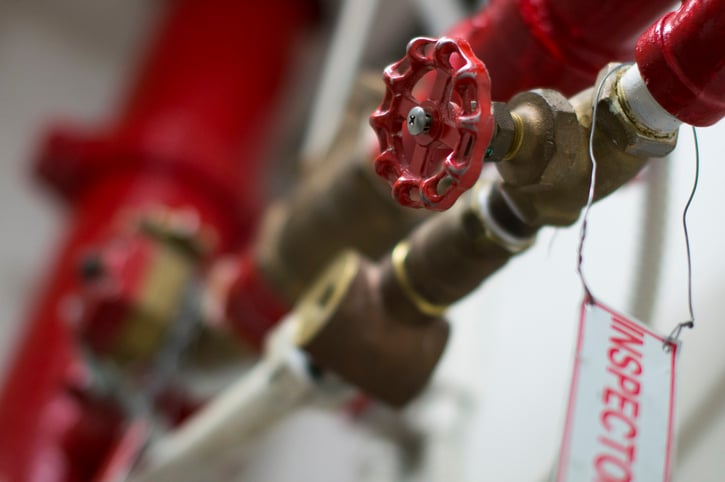
Regular fire sprinkler system inspections and preventive maintenance help ensure system components remain accessible, undamaged and ready for required testing and service. Routine checks can include visually inspecting sprinkler heads, valves, piping and other accessible components for signs of damage, obstruction, leaks or other conditions requiring attention.
Required testing, servicing and inspections should follow applicable fire codes, manufacturer requirements and local regulations, with qualified fire protection professionals performing work where required.
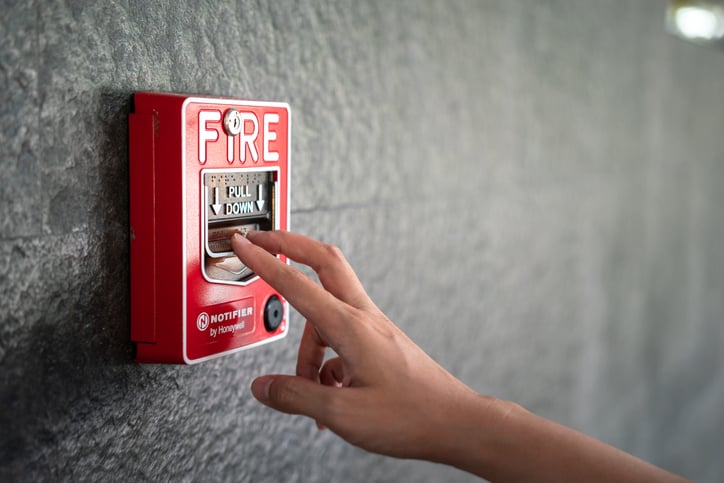
Regular fire alarm inspections and preventive maintenance help ensure alarms, detectors and other system components remain operational and ready to respond when needed. Routine checks can include visually inspecting devices, checking for damage or obstruction and confirming that accessible system components are in proper condition.
Required fire alarm testing, servicing and inspections should follow manufacturer requirements, applicable fire codes and local regulations, with qualified fire protection professionals performing testing and service where required.
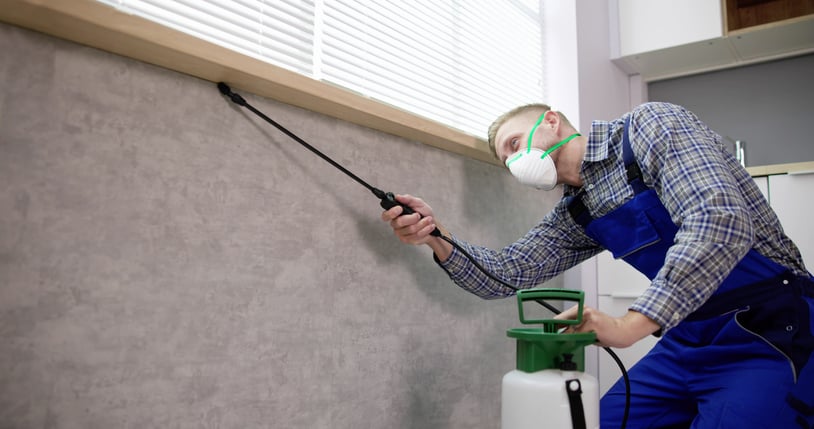
Routine pest control inspections help identify signs of pest activity before a small problem becomes a larger facility issue. Preventive checks can include inspecting common entry points, storage areas, waste areas and other locations where pests may enter, nest or find food and water.
Keep pest control inspections and treatments on a recurring maintenance schedule, document identified issues and coordinate professional pest control services when needed. Regular monitoring can help protect the facility, its occupants and stored materials while supporting a cleaner and safer environment.

Regular fire extinguisher inspections help ensure extinguishers remain accessible, properly positioned and ready for use in an emergency. Routine checks can include confirming each extinguisher is in its designated location, inspecting for visible damage or tampering and checking that access is not blocked.
Fire extinguisher inspections, testing and servicing should follow manufacturer requirements, applicable fire codes and local regulations, with qualified fire protection professionals completing required maintenance and certification when necessary.


Maintenance Care's computerized maintenance management system is powerful, user-friendly, and highly efficient. It allows you to access all your maintenance work easily from wherever you are and at any time.
With our full-featured, comprehensive CMMS maintenance program, you and your team can easily manage work orders, preventive maintenance scheduling and asset tracking in your facility from your desktop or mobile device.
Stay up-to-date with tips and tricks, industry news, ongoing support and expert resources from the Maintenance Care software team.
© 2026 Maintenance Care | ALL RIGHTS RESERVED
© 2026 Maintenance Care | ALL RIGHTS RESERVED


.svg)